Showing posts with label high blood sugar. Show all posts

Saturday, December 7, 2013

Dysglycemia: Body Disruptor

Dysglycemia
Do you have poor focus and concentration? Do you have some extra pounds around your waist that will not seem to leave no matter how much exercise or healthy eating you do? You very well may have a blood sugar issue.

Dysglycemia is defined as any disorder of blood sugar (glucose) metabolism. This includes incompetent pancreatic function and/or faulty insulin receptor sites. Poor blood sugar metabolism is highly common in the U.S. population today. The “SAD” (Standard American Diet) is very low in essential fatty acids and fiber, but high in polyunsaturated fats and sugar which will promote blood sugar disorders for decades to come.

"Diabetes Mellitus type II has become explosive in today’s society, and studies have predicted that it will bankrupt the national healthcare system over the next decade."


Health Considerations:


Dysglycemia disrupts ALL aspects of human physiology; muscular performance, digestion, hormones, and central nervous system function including neurotransmitter production. If the body is unable to adequately digest and utilize blood sugar from our diet, it leads to oxidative stress which results in inflammatory processes and free radicals causing cell death.


In our office, it is astounding how many patients fight depression, anxiety and/or dementia. Several of our patients have decreased the signs and symptoms of these issues just by managing their blood sugar better. Issues like these are often a direct result of unresolved blood sugar metabolism. Years of misery and sadness can be avoided if your blood sugar is regulated appropriately.


The current healthcare model does not adequately manage or prevent the progression of dysglycemia. We have to remember that we get our energy from blood sugar properly converted to ATP (cellular energy). When blood sugar is not properly regulated it may lead to the following:


  1. Increased Risk for coagulation (Clots)
  2. Arteriosclerosis
  3. Difficulty losing weight
  4. High Cholesterol
  5. Hormone Disorders in Women and Men
  6. Increased Risk for Infections
  7. Fatigue
  8. Hypothyroid
  9. Anemia
  10. Allergies/Food Sensitivities
  11. Chronic Fatigue Syndrome (Adrenal)
  12. Dementia / Alzheimer's
  13. Early Onset Aging
  14. Insomnia
  15. Chronic Pain patterns - Fibromyalgia


Types:
There are two main types of blood sugar problems that should be identified before diabetes mellitus is diagnosed, insulin resistance and reactive hypoglycemia.

Reactive Hypoglycemia takes effect when the pancreas pumps out too much insulin due to spikes in blood sugar, this is typically the result of sweets or other high glycemic foods. These types of people space out easily, have poor short term memory, irritable and short-tempered if they go too long between meals. These people often have difficulty eating breakfast because of nausea or lack of appetite and feel exhausted around 3 - 5 in the afternoon.

Type 1 Diabetes is an autoimmune reaction. This article discusses insulin receptor issues.
Please understand what a normal functioning insulin receptor site does.


The second type of blood sugar problem typically results in high blood sugar levels, a fasting glucose above 100 mg/dL termed insulin resistant.

This particular group of people are on their way to Type 2 Diabetes in a very short time if lifestyle modification (diet and exercise) is not changed quickly. Insulin resistance is also known as Syndrome X or Metabolic Syndrome in current literature. Insulin is normally used to allow glucose into the cell, the same way a key gets put into the lock of a door to open it. The excess amount of insulin in high blood sugar exhaust the lock (cell), making the key (insulin) not work effectively, therefore the cells become insulin resistant. 

     In this respect the cells are not receiving their food supply and lacking the ability to make energy. These types of people fall asleep easily after a meal. If this particular person eats a rich-carbohydrate meal they typically nod-off after the meal. People with this issue often find it difficult to fall asleep, they may need coffee or sweets after a meal to keep from napping, and have a very difficult time losing weight. When these people get stressed, it is very easy to put on unwanted weight.

     So with respect of knowing these 2 types of dysglycemia, our office can effectively manage and assist people with these blood sugar issues with nutritional supplementation, SOT chiropractic methods, change in dietary habits, and better exercise routines.
In Conclusion:


Dysglycemia is not something that you should just watch and monitor until full blown Diabetes. In my opinion this is a serious problem that is overlooked by our current healthcare model. Take it upon yourself to recognize the symptoms and seek help and support. At Weber Chiropractic we are passionate about educating patients and making sure they know what their body can handle and not handle to keep it healthy.

If you are interested in discussing your case with our office staff, please contact our office, www.weberchiroca.com.

The Gut Influences… Everything

The Gut Influences … Everything


Our gastrointestinal (GI) tract influences so much of our bodies and many doctors overlook its complexity and not to mention its importance. In this article I will introduce you to the gastrointestinal tract connections throughout the body. The big three include immunity, endocrine (hormones) and nervous system.


IMMUNITY


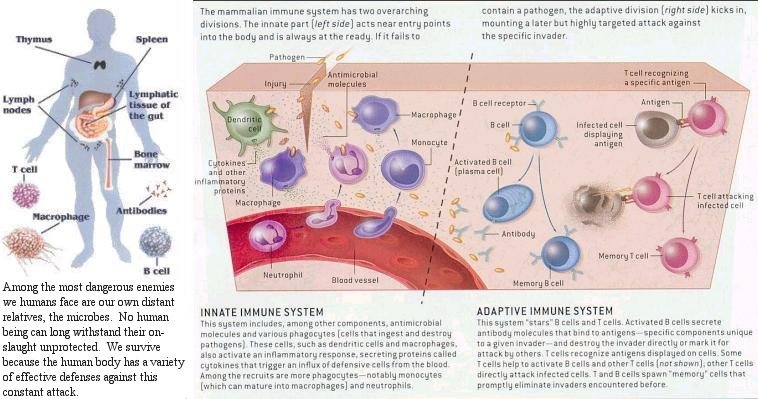
Researchers speculate that 70% of the body's immune system resides within the GI tract. This is AMAZING!! Not only does our gut have the enormous responsibility of breaking down food into minute particles, initiating the release of digestive enzymes, and absorbing nutrients to provide energy for our entire body but it is the gatekeeper for pathogens wanting to invade your body.


The body is equipped with two sides of an immune system, equally important TH-1 and TH-2. T-Helper (TH) 1 is mainly stimulated after having a virus or bacterial infection. Most of these cells die off within 7 - 10 days, this is why your average cold last a week to 10 days. TH-2 is a main source of antibody production.(2) So for people who never claim to get sick, this is a big RED FLAG for us indicating that this person does not have a fully functioning nervous system because it cannot even initiate an immune response. Because lets face it, who does not get exposed to something everyday on this earth whether it be bacteria, virus, mold, spoiled food, uncooked food, allergens, environmental toxins, etc.?


HORMONE INFLUENCE:


Hormones are typically made by endocrine and exocrine glands such as the thyroid, pancreas, adrenals and ovaries/testes. However, most hormones are activated and secreted by the gastrointestinal tract.


Thyroid hormone for instance makes approximately 93% T4 (inactive thyroid hormone) and 7% T3 (active thyroid hormone). So in the ideal, healthy patient this is what the current research literature is saying: Once the thyroid has produced T4, it is metabolized peripherally from the thyroid into a combination of T3 hormones by the enzyme 5’ deiodinase, mostly in the liver. Approximately 40% of the available T4 is converted into T3, 20% is converted into reverse T3 (rT3) which is irreversibly inactive, and 20 % is converted into T3 sulfate (T3S) and triodothyroacetic acid (T3AC).


T3S and T3AC are inactive thyroid hormones until they circulate into the gastrointestinal tract and are acted upon by intestinal enzymes which make active T3 hormone.(3)


Hormones such as estrogen and testosterone after being used by their target cells must be broken down from their original structures and detach or cleave metabolites that may be reused by the body. This breaking of metabolites is done in the liver. So in simple, here is the process. The hormone is used and thrown into the venous circulation which is then delivered to the liver. The liver breaks off all the useful parts of the discarded hormone and passes on the rest, this is phase I of liver detoxification. Phase II conjugates the discarded hormone, puts a tag on it, which says “no good or go to dump.” The discarded hormone then gets dropped into the trash which we call phase III or biliary elimination. The gallbladder or biliary system then dumps the trash into the colon where it can be properly discarded as feces.


Complications arise when the body is able to break the bond from phase II (conjugation) releasing the discarded hormone back into circulation. This is one example of how estrogen and testosterone (pending the sex of the patient) may increase to unhealthy levels. This is one explanation of hormone sensitive tissues becoming prolific or cancerous.


NERVOUS SYSTEM INFLUENCE:


“The hormones of the gastrointestinal tract have a greater impact than neurological connections,” stated by Arthur Guyton’s 11th Edition of Medical Physiology. This is a profound statement when we as doctors stop and think about it. The big kick today in medicine is caring for the brain, have to rejuvenate the brain, have to keep the brain active and healthy.


Well my first question to this school of thought is... “Where does the brain get its nutrients from?”


Anybody??  


Well we eat food and it gets digested in … THE GUT!!


Ask yourself a question, “what is the goal of taking one of the best supplements on the market if your body is unable to break it down and use the nutrients it provides?”


In our office we recommend patients taking the 2100 Gastrointestinal Profile which looks at Predominant bacteria, Digestion, Immunity, Pathogens (i.e. Yeast/Fungi, Opportunistic, Parasites & Pathogenic), Beneficial Short Chain Fatty Acids, pH, and Absorption. With an in depth look at these factors we are able to address the patient’s needs in a systematic and objective point of view.


  Hmmm... sounds reasonable?


The GI tract is a complex and dynamic ecosystem due to the interplay between peristaltic movement, food particles, host cells and defence molecules and a vast array of resident microbes and their secreted products. The microbial population, estimated to total about 10^14th bacteria, is 10 to 20 times greater than the total number of cells in the human body. It has been estimated that between 500 to 1000 bacterial species inhabit the GI tract.(1)


Many of these microbes play key roles in the thyroid metabolism, digestive enzymes, calorie expenditures, vitamins and mineral, and SO MANY MORE!! In the diagram below it shows how hormones influence the rate of food intake. The upper part of the stomach releases Ghrelin which sends signals to the brain to increase food intake while Obestatin, Cholecystokinin (CCK), Oxyntomodulin (OXN) and more suppresses appetite. All these indicators effect nuclei in the brainstem, mainly in the medulla oblongata which may also alter sexual behavior and motivation. So to summarize the microbial environment can alter your brain’s chemistry enough to affect satisfaction during meals, sexual behavior and self-drive.


SUMMARY:


The gastrointestinal tract is key in balancing an unstable system. An unstable system being imbalance in hormones, obesity, brain fog, chronic allergies, chronic skin issues, chronic pain patterns, chronic fatigue, and the list goes on and on. There is a new era starting to be recognized and that is how dynamic and important the gastrointestinal tract is. No one part is greater than the sum of its parts but when all else has failed look to the gut.


References:


1. Gastrointestinal Microbiota and Regulation of the Immune System. Gary B. Huffnagle and Mairi C. Noverr. Copyright 2008 Landes Bioscience and Springer Science+Business Media.


3. Functional Blood Chemistry Manual. Dr. Datis Kharrazian. Copyright 2005

Cortisol: The Stress Hormone

Cortisol
The Stress Hormone


Is stress running your life? Do you have blood sugar issues? Do you feel that you are just chasing your tail? Do you sleep for several hours but still wake up tired?

If you answered “Yes” to any or all of these questions then your cortisol circadian rhythm may be imbalanced. BUT.. this article is not about your adrenal glands!!

I always tell patients, "if you want me to support your adrenal glands, by all means I will because I have plenty of student loans that still need to be paid back." In other words, you will dump your entire life savings before any adrenal supplement will help you get ahead. So lets get a head of the problem and not just manage your ongoing issues.


Normal Circadian Rhythm:


Cortisol has been termed a stress hormone due to its physiological nature in terms of raising blood sugar and heightening your bodies immune response through cytokine signaling. In a normal healthy individual starting at midnight (12 A.M.) cortisol is at its lowest point and continues to raise throughout the early morning and peaks approximately seven A.M. and diminishes throughout the day. See the diagram below.


What items will disrupt circadian rhythm?


1. Anemia
2. Blood sugar
3. Chronic immune issues
4. Food allergies
5. Emotional stress
6. Taking Melatonin orally (supplement)
7. Environmental toxins (i.e. mold, pesticides, parabens, phthalates)
8. Cytokine storms (IL-1, IL-6, TNF-a)


These 8 categories are only a few of several that can disrupt circadian rhythm. The most common factor that we see that has a dramatic impact is blood sugar.


High blood sugar individuals such as diabetics typically have elevated cortisol levels. Elevated cortisol results in an increase breakdown of glycogen (sugar storage) and when it is not being used by cells it is stored as fats. This is why most diabetics suffer from obesity. 

High cortisol individuals often fatigue after a heavy carb meal. When I was going through school, I could always tell who had an elevated blood sugar issue because they would pass out after lunch. Same thing for family members after a holiday meal.

For people with insulin resistance or diabetics continue to worsen in their condition they suffer from a weakened immune system, leaky gut issues (increase potential for food sensitivities) and neural issues (i.e. neuropathy). The only way to provide beneficial care for diabetics is to balance their circadian rhythm through diet, exercise, and supplementation to gain sensitivity back to the insulin receptor site. 

Before you read on, please understand that when you take supplements they are suppose to "supplement" what you are not getting in your daily eating regiment. They are not an excuse to eat whatever you want. People who suffer from chronic conditions, we recommend supplements to push their physiology and speed up recovery time. We never expect patients to take supplements for life with a few exceptions like receptor site polymorphisms.


Diagram 2: This shows a normal circadian rhythm (black) and an imbalanced circadian rhythm (red) causing physiological damage to cells through all systems of the body including nervous, gut and hormones.


Reactive Hypoglycemia


Low blood sugar issues can really be very detrimental to cortisol circadian rhythms. These individuals are easy to spot because their signs and symptoms typically include:


  • Cannot stay asleep through the night
  • Have a hard time getting out of bed
  • Must rely on coffee or caffeine to get motivated in the morning
  • Afternoon headaches
  • Afternoon fatigue (need a nap)
  • Trouble shutting your mind off at night


These patients often feel worse than someone with type II diabetes due to the fact that their adrenals are constantly secreting cortisol to raise blood sugar, this is absolutely exhausting to the body. Constant release of cortisol results in the following: 

  • Advanced aging process due to elevated IL-6
  • Increased insulin release
  • Decreases mucosal lining of the gastrointestinal track resulting in increased food reactivity
  • Chronic immune stimulation
  • Poor hormone receptor site attachment (decrease mood, libido, erectile dysfunction, painful menstruation, etc.)
  • Liver congestion --> biliary stasis (problems with fats)
  • Increased risk for osteoporosis
  • Increased risk for dementia
  • Breakdown of the hypothalamic-pituitary-thyroid axis resulting in poor cellular metabolism
  • So much more

When people forget to eat, this low blood sugar state results in the release of adrenalin throughout the day and even night. Eventually the body releases too much blood sugar and causes an increased blood sugar state causing the patient to slip into a deep restful sleep. This is the beginning of elevated blood sugar issues.

These patients constantly crave carbs and are always tired because their stress pathway (hypothalamic-pituitary-adrenal axis) is always being pushed. Teenagers and college students fit this profile more often than most because they skip breakfast and typically carb load.


Many of these blood sugar issues can be easily balanced with proper diet and change of eating habits  along with patient’s strong desire to get better.


Closing Thoughts


So many people these days are trying to lose weight, get in shape, get healthier but they are focusing on the wrong things. Food is the most important aspect when it comes to revitalizing your health. You have to eat right.

Eating right in itself is a task. I married a Japanese woman who is an excellent cook. She makes sure the food is in season, organic, pesticide free, the oils it is cooked in is healthy, knowing the correct amount of time where the food is not overcooked and so many more items.

Cooking itself is very in depth but like anything, in the beginning it is hard and feels like a humungous task, however, with a little bit of effort and attention it becomes second nature. Now you can reap on the benefits of eating healthy.

Eating healthy will in and of itself help you lose weight regardless of exercising. Food is what helps your recover and repair. Sugar and vegetable oils are poisons and we should all eliminate them from our meals. Sugar is more addictive than cocaine AND it is more deadly than cocaine because it kills you slower.

Quick note for all of your sugar-holics out there! The reason you do not like vegetables is because sugar destroys your taste buds. When your taste buds are destroyed, strawberries, blueberries, bananas and spinach do not taste as rich because of your dead taste buds. Give yourself 30 days off sugar (of ALL KINDS!!) and try it. You will be amazed.

We at Quantum Chiropractic are here to help you. So please do what you can to better yourself, if you need help whether it be SOT Chiropractic or nutritional laboratory analysis, contact our office.